Finding Words for Wounds: How Memoir Heals—Lessons from Seldom Spoken
Finding the right words for deep pain often feels impossible. Many survivors struggle to name their wounds, let alone find a path toward healing. Based on themes in my book, Seldom Spoken, memoir offers a powerful way to find language for pain and reclaim your story. This post will show how writing to heal can help you move from silence to strength. If you’re looking to understand the profound impact of finding language for healing, you might find this insightful resource to be compelling.
Healing Through Memoir Writing
Finding language for wounds can be a challenge, yet it’s essential to reclaim your story. Writing memoirs provides a bridge from pain to healing, offering survivors a voice when words fail.
Finding Language for Pain
Writing allows you to articulate pain. It transforms silent struggles into a narrative you can share. By putting pen to paper, you not only express what hurts but also start the journey to healing. These stories shed light on your experiences, making them real and acknowledged. When you write, you craft a space where your pain is heard and validated. This act of finding words can turn isolation into connection, as you communicate your truth in ways that resonate with others. This thought-provoking study delves into the power of narrative expression in processing trauma.
Narrative Therapy for Trauma
Using narrative therapy, you can reframe trauma. This process involves re-writing your story, emphasizing strength and survival. It’s about shifting the focus from what happened to how you overcome it. Through this therapeutic approach, you can explore your experiences in a safe space, enabling healing to take place. You gain control over your story, allowing for a new perspective where resilience shines. This method empowers you to piece together your past in ways that empower your present. Studies suggest that individuals who engage in narrative therapy often experience a sense of liberation and empowerment. This insightful article explores how narratives shape our understanding of trauma and recovery.
Reclaiming Identity After Trauma

As you write, you reclaim parts of yourself that trauma tried to erase. Memoir writing is an act of self-reclamation, where empowerment and identity are yours to rediscover and reshape.
Self-Reclamation and Empowerment
Reclaiming your story is a powerful act of empowerment. It’s about taking back what trauma took from you. When you write, you affirm your identity and celebrate your resilience. This process reminds you that you are more than what happened to you. Your story is yours to define, and through self-reclamation, you can rebuild what once felt lost. This act of writing reaffirms your courage, allowing you to empower yourself with each word. For many, sharing these stories can also be a way to inspire others, creating a ripple effect of healing and hope.
Resilience and Recovery
Resilience is the thread that ties your story together. Writing about recovery highlights your strengths. Each chapter showcases not just survival, but growth. Your words can inspire others, showing that healing is possible. By documenting your journey, you reflect on how far you’ve come, celebrating both small victories and significant milestones. This narrative becomes a testament to your strength, offering hope not just to yourself, but to everyone who reads your story. This resource shares personal stories of resilience and offers inspiration for those on their own healing journeys.
Connection with Horses and Heritage

Writing about healing often draws on personal connections, like those with animals and ancestry. These elements provide comfort, grounding you in identity and offering unique paths to recovery.
Healing Through Horses
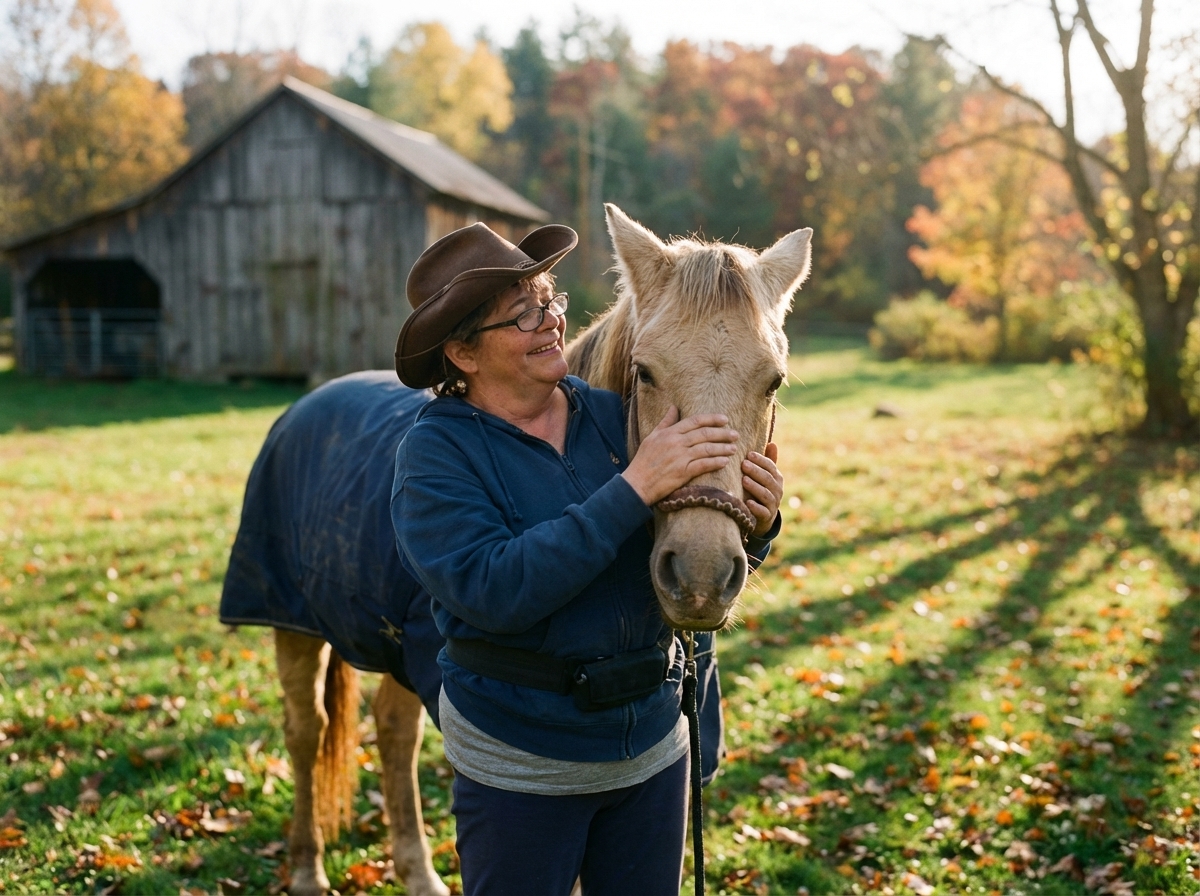
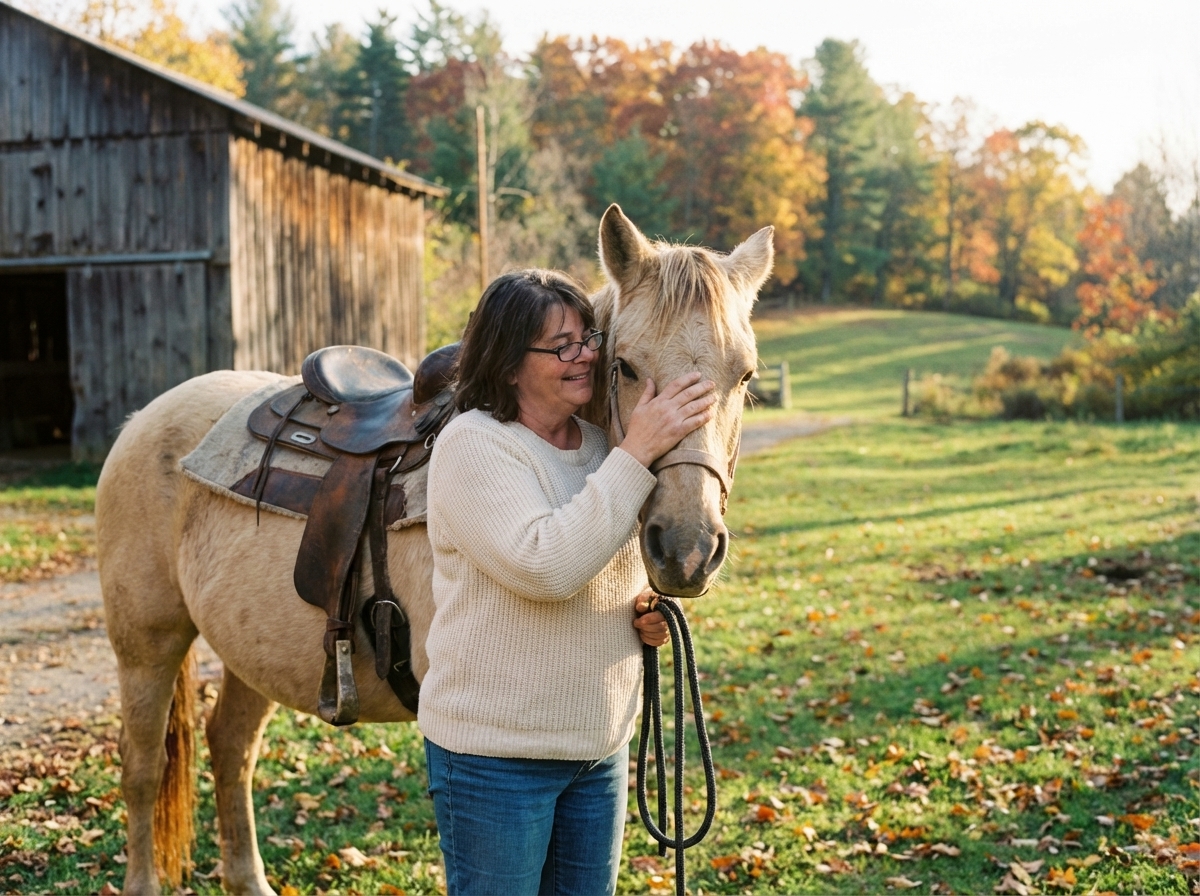
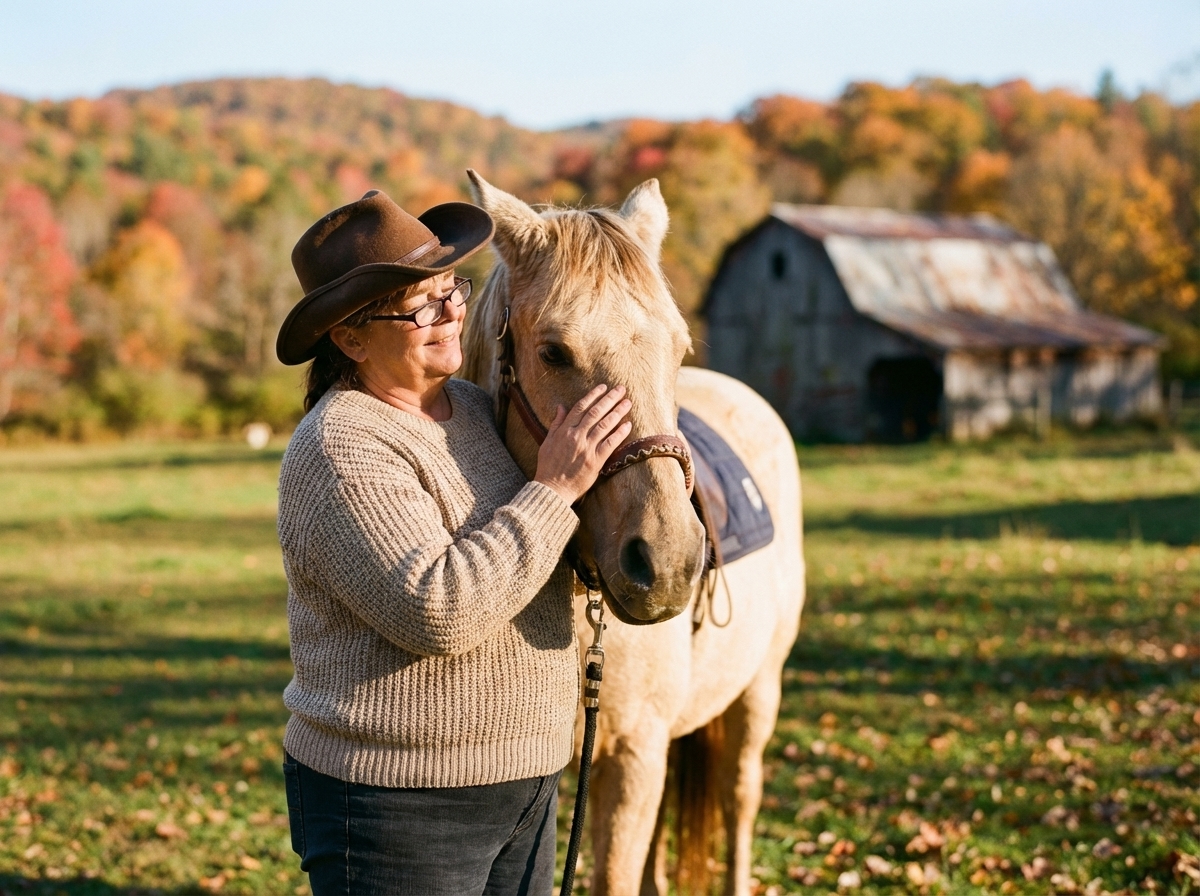
Animals, particularly horses, provide a unique form of therapy. Their non-judgmental presence offers comfort and support. Horses sense your emotions and respond with empathy, fostering a healing connection. Through interactions with these animals, you experience moments of peace and understanding. They reflect the strength you might not yet see in yourself, encouraging growth and emotional healing. The bond you form with them becomes a part of your recovery journey, illustrating that healing can come from unexpected places. For many, equine-assisted healing serves as a profound complement to traditional therapeutic methods.
Art as Therapy and Heritage
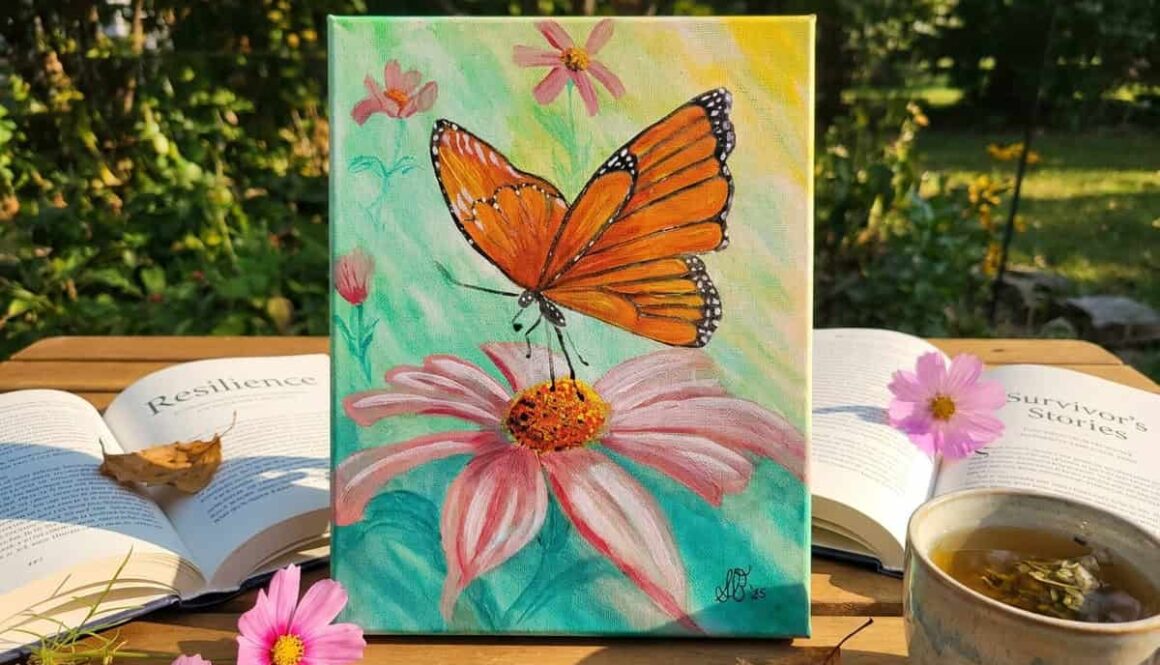
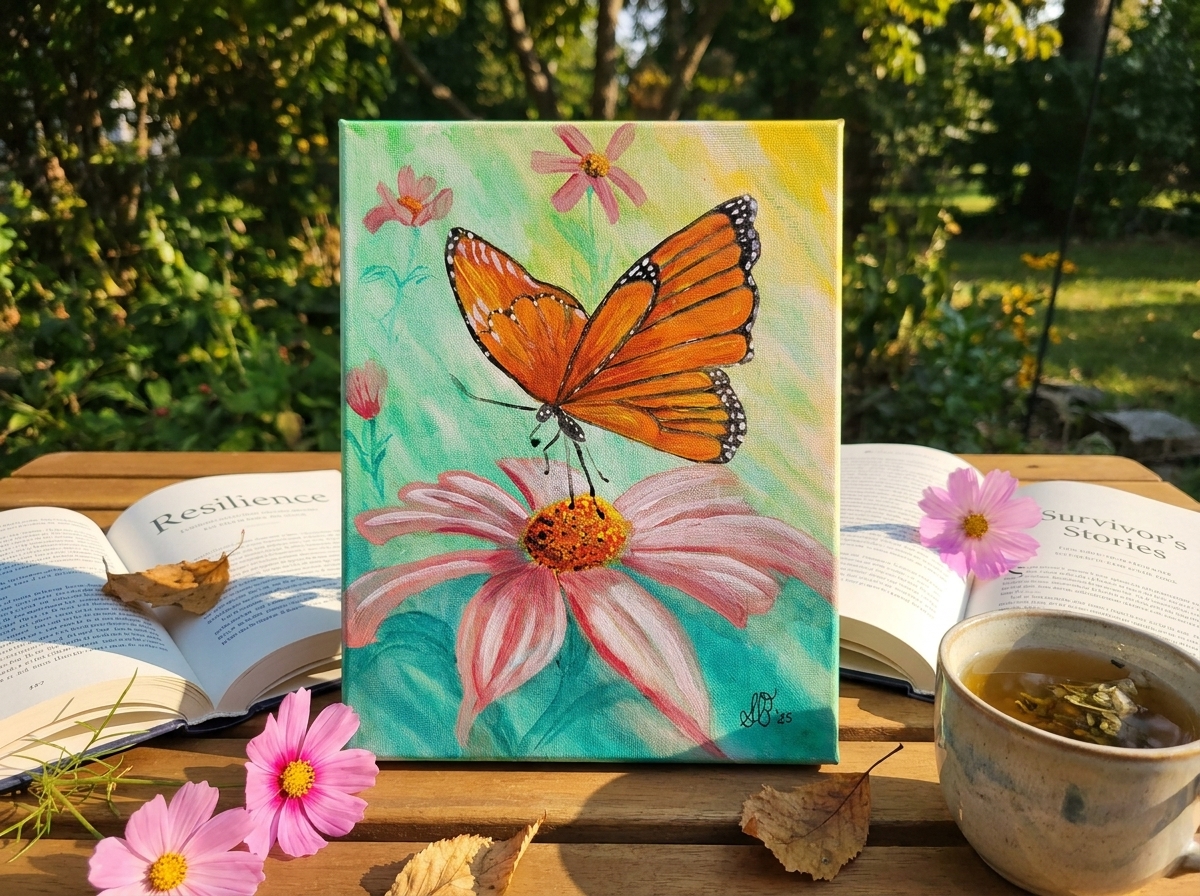
Art and heritage offer another layer of healing. Expressing yourself through art taps into creativity, giving voice to emotions that words might fail to capture. This form of therapy allows for exploration and self-discovery. Additionally, connecting with your ancestry provides strength, reminding you of the resilience that flows through your veins. By embracing your roots, you find comfort and inspiration, helping you reclaim your identity. Art, like writing, is a powerful tool for healing, bridging the past with the present and providing a roadmap for the future. This fascinating study explores the connection between heritage and personal identity, offering insights into how our past shapes our journey.
Frequently Asked Questions
How can writing help in healing from trauma?
Writing allows you to express and process your emotions in a structured way. By putting your experiences into words, you gain clarity and control over them, which can be a powerful step in healing.
What is narrative therapy and how does it work?
Narrative therapy is a form of therapy focused on re-authoring your life story. It helps individuals identify their strengths and rewrite their narratives in ways that highlight resilience and agency.
Can horses really help in the healing process?
Yes, equine-assisted therapy is known to provide emotional support. Horses offer a calming presence that can help individuals process emotions, reduce anxiety, and foster trust and empathy.
Why is it important to connect with heritage in the healing process?
Connecting with your heritage can provide a sense of identity and continuity. It roots you in a history of resilience, offering strength and perspective as you navigate your healing journey.
How can art be used as a form of therapy?
Art therapy allows for expression beyond words. It helps individuals explore emotions creatively, providing an outlet for healing and self-discovery through various artistic mediums.